Jelami — culinary education, written with intent since 2019.
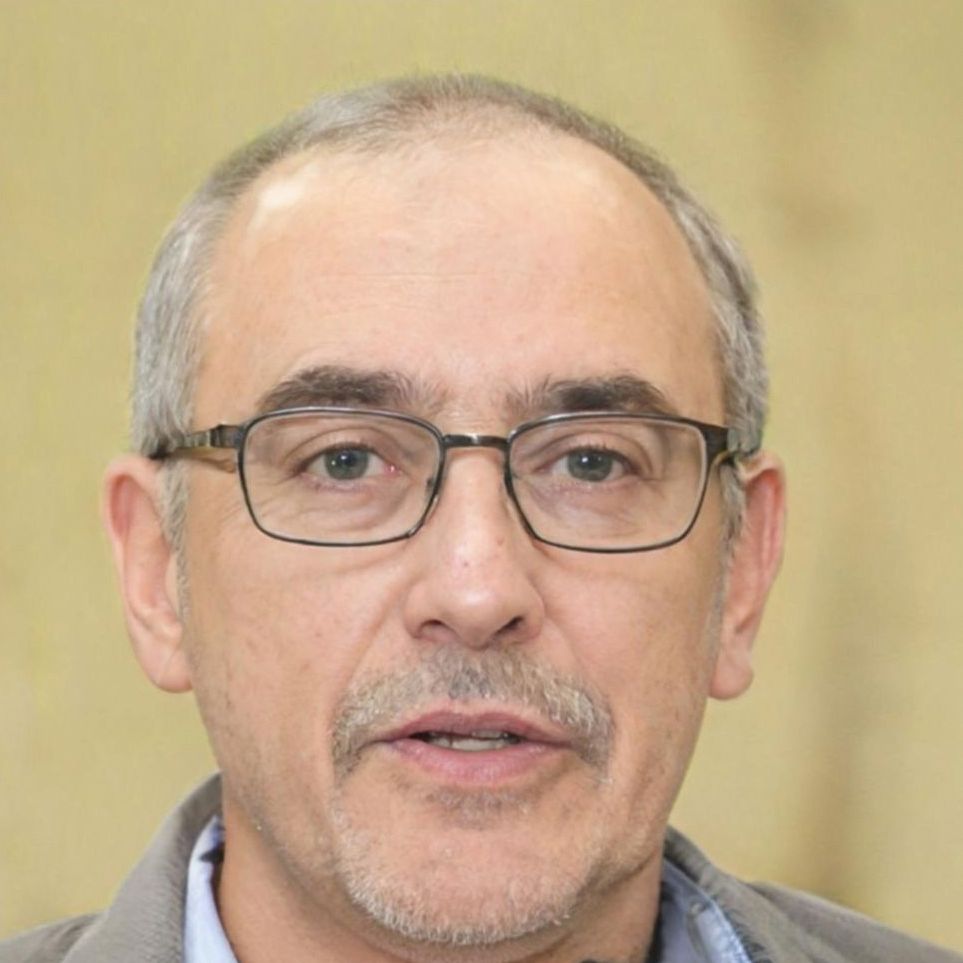
Oleander Vreeke
Culinary Educator & Technique Specialist
Oleander spent twelve years working in professional kitchens across Melbourne and Amsterdam before shifting focus entirely to teaching. The transition wasn't planned — it started with a single workshop on emulsification that filled twice over.
Every article on Jelami comes from hands-on testing. If a technique doesn't hold up under real kitchen conditions, it doesn't get published.
What the work actually covers
Advanced culinary technique isn't about complexity for its own sake. Oleander's writing focuses on the mechanics behind cooking — why fat emulsifies at a specific temperature, how salt affects protein structure over time, what makes a reduction concentrate unevenly.
The articles are written for people who already cook and want to understand what's happening in the pan, not just follow steps.
Knowing the why changes every decision you make at the stove.
140+
technique articles published across the site
18
distinct culinary disciplines covered in depth
12
years of professional kitchen experience
Questions, corrections, and recipe disputes welcome at jelami@hotmail.com
technique focus
Six areas explored in depth
- Emulsification Fat and water don't mix — until they do. The chemistry behind stable sauces and dressings.
- Sous vide precision Temperature-controlled cooking and where the technique genuinely adds value versus marketing.
- Fermentation basics Lacto-fermentation, controlled mould, and how time becomes an ingredient.
- Pastry structure Gluten development, fat layering, and the variables that separate flaky from tough.
- Knife mechanics Blade geometry, edge retention, and cutting technique that reduces prep time significantly.
- Flavour pairing Shared volatile compounds and the evidence behind which combinations actually work.
Kitchen work, in practice
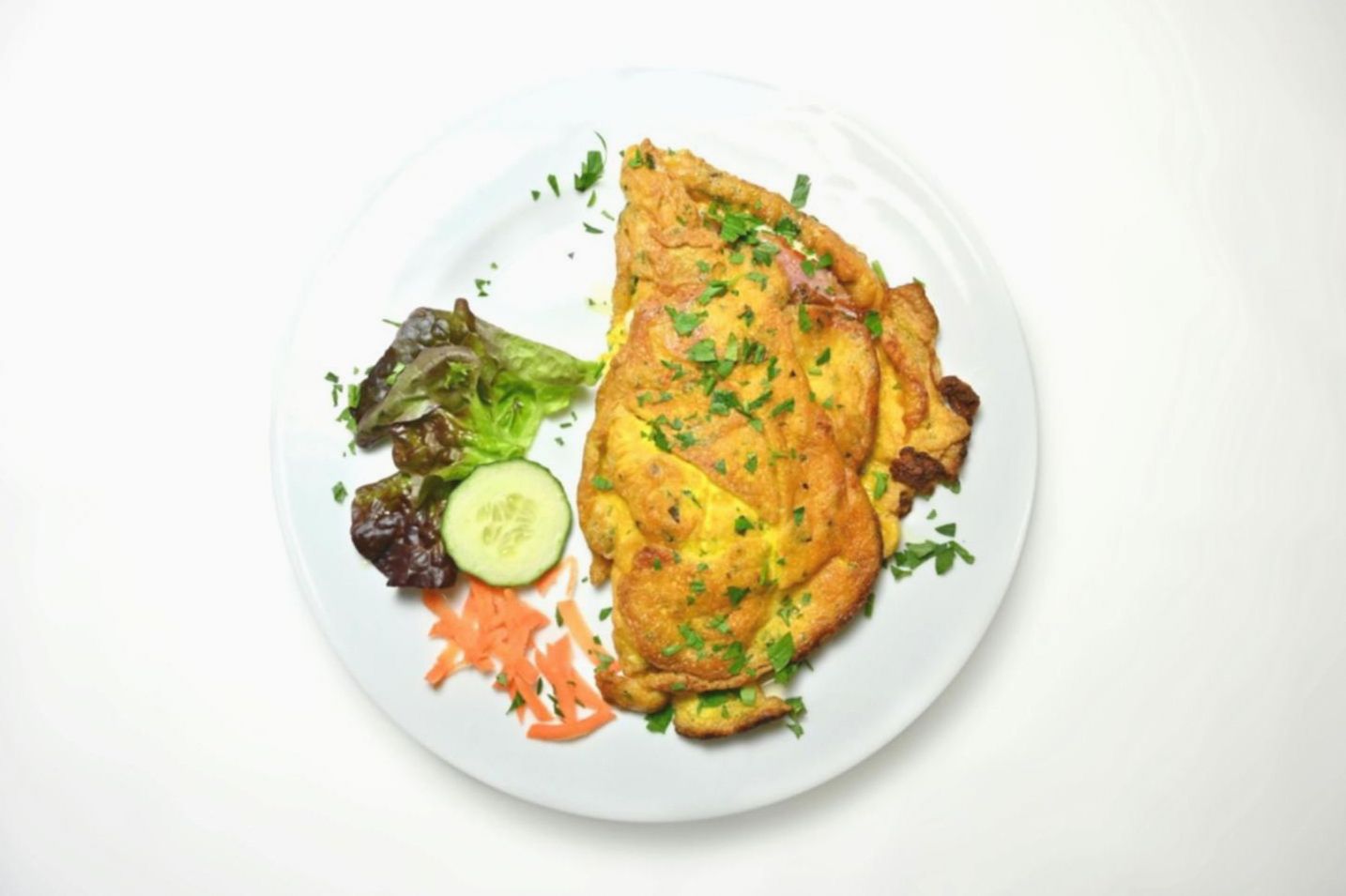
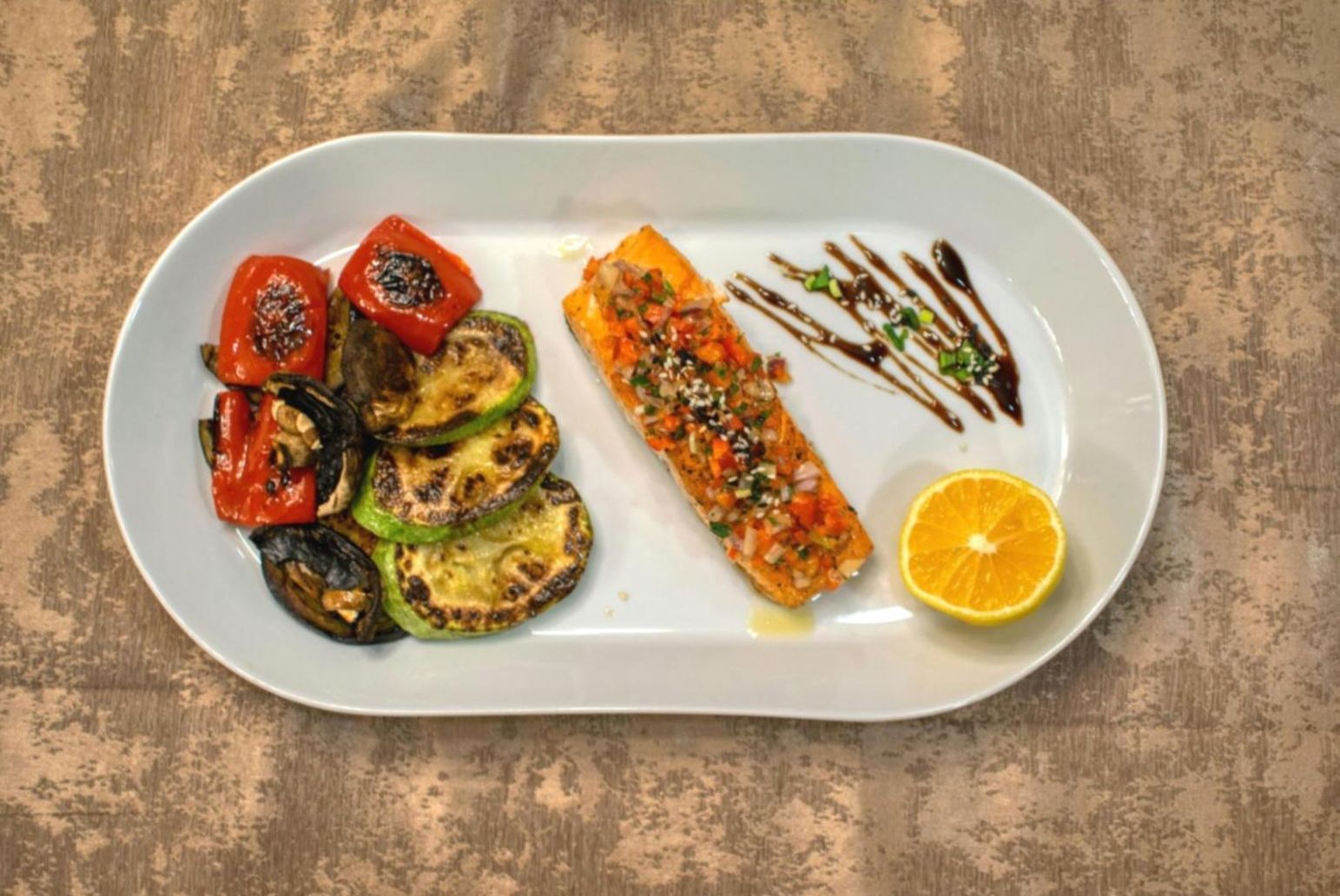
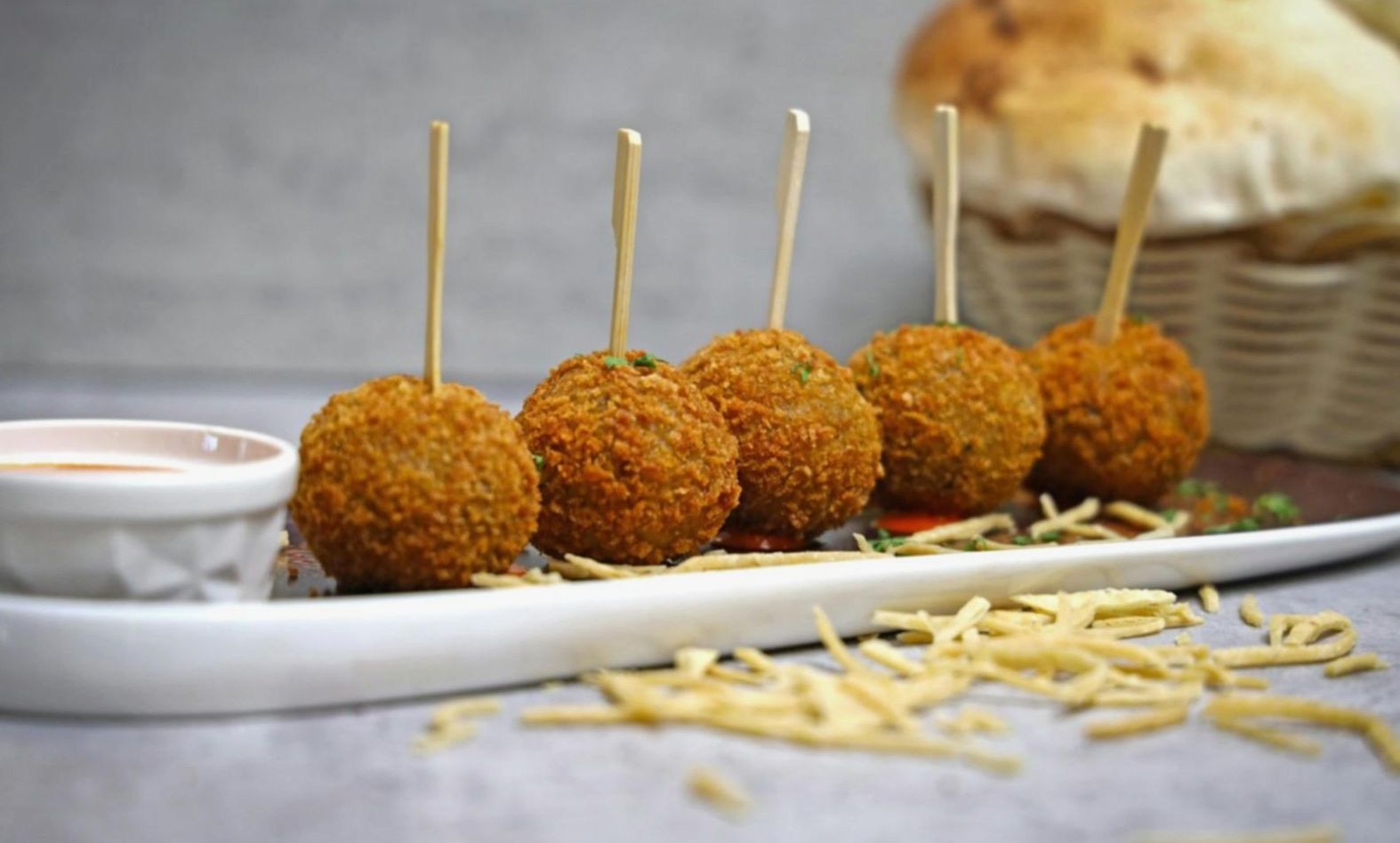
Images from testing sessions — the same environment where every technique gets verified before it's written up.